What Should You Look For When Booking a Permanent Makeup Artist?

Updated: Aug 5
Choosing the right permanent makeup artist is one of the most important decisions you will make before any PMU treatment. Because results can last for years, it’s essential to understand exactly what separates a highly skilled, safe, and qualified practitioner from someone who is undertrained or inexperienced.
Permanent makeup is a specialised treatment that requires precision, a deep understanding of skin, pigment, and facial design. The quality of your results and your safety depends entirely on the artist you choose. Before booking any procedure, it’s important to know what qualifications to look for, what a professional setup should look like, and which red flags you should never ignore.
At Olivia Cole, permanent makeup treatments are carried out with a strong focus on natural results, client safety, advanced techniques, and detailed consultations. Based in the beautiful Woburn countryside, known for luxury aesthetics and bespoke PMU treatments designed to enhance features softly and naturally.

What Is Permanent Makeup and How Does It Work?
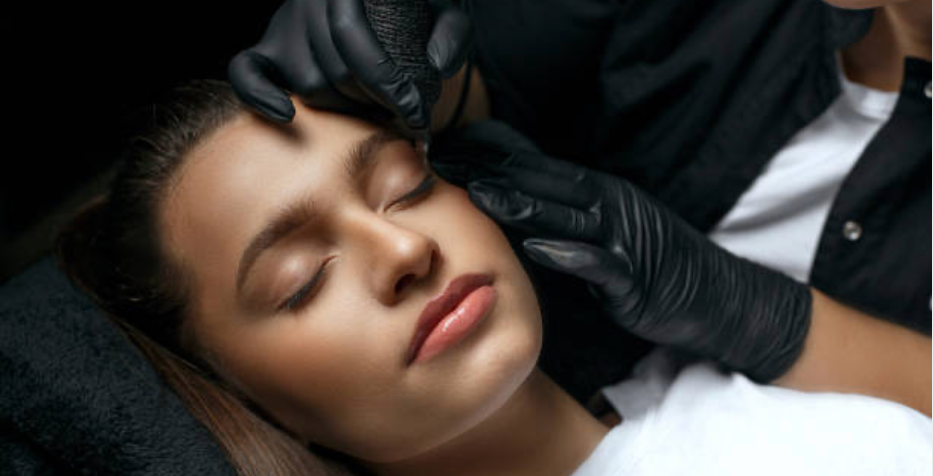
Permanent makeup (PMU) is a form of cosmetic tattooing designed to enhance and define natural features such as the eyebrows, eyeliner, and lips. It is a highly skilled treatment that uses a specialist device to implant pigment into the skin, creating soft, natural looking definition that can last anywhere from several months to a few years.
Unlike traditional body tattoos, permanent makeup is created to fade gradually over time. This allows the results to soften naturally and gives you the flexibility to refresh or adjust your look as your facial features, skin tone, or personal style changes. Because the procedure is both technical and artistic, the outcome is heavily dependent on the skill, training, and eye for detail of the practitioner you choose.
Why Is Choosing the Right PMU Practitioner So Important?
Permanent makeup is not just a beauty treatment. It is a highly technical skill that combines precision, skin knowledge, and facial artistry. Because the results sit on your face every single day, there is very little room for error. Poorly executed work is difficult to disguise and often much harder to correct than many clients initially realise.
Choosing the wrong permanent makeup practitioner can result in a range of unwanted outcomes, including:
Uneven shape or lack of symmetry
Incorrect pigment selection, leading to unwanted tones such as grey, blue, or orange
Pigment migration or blurred, unnatural results over time
In rare cases, skin trauma or scarring
Correction work is often significantly more complex, time-consuming, and costly than having the treatment done correctly in the first place. This is why selecting a fully trained, experienced, and reputable PMU artist is essential before committing to any procedure. You can read our blog on correction work here : Can Permanent Makeup Be Removed Or Corrected? | What You Need To Know
What Qualifications Should a Permanent Makeup Practitioner Have?
This is one of the most important factors to consider when choosing a permanent makeup artist, as qualifications directly reflect the practitioner’s level of training, safety standards, and technical ability.
A reputable PMU practitioner should have completed:
Accredited, in-person training from a recognised academy (not solely online courses)
Advanced certifications in specific treatments such as brows, lips, and eyeliner
Ongoing education to stay up to date with techniques, pigments, and safety standards
A strong portfolio of fully healed results, not just immediately post-treatment work
It is also important to understand that in the UK, permanent makeup is not as strictly regulated as medical aesthetics. This makes thorough research and due diligence essential when selecting your artist, as standards can vary significantly between practitioners.
What Should I Look for in Before and After Photos?
Before and after photos are one of the most valuable ways to assess a permanent makeup artist, but it’s important to understand what to look for beyond the surface.
A strong, skilled practitioner will showcase:
Healed results, not just immediately post-treatment images
Consistent shape, balance, and symmetry across different clients
Natural-looking pigment tones that complement a range of skin types
Soft definition without harsh or overly solid outlines (unless intentionally styled)
At the same time, be cautious of common red flags, such as:
Heavy filters, lighting manipulation, or heavily edited images
Only close-up shots with no full-face context to show balance
Repeated identical brow shapes that suggest a “one-style-fits-all” approach
High quality permanent makeup should always be personalised. Every client’s facial structure, skin tone, and natural features are different, so results should be tailored rather than templated.

Is Hygiene and Safety Important in Permanent Makeup?
Absolutely! hygiene and safety are essential in permanent makeup, as this is a treatment that involves breaking the skin.
A professional and reputable PMU practitioner should always maintain the highest clinical standards, including:
Using sterile, single-use needles for every client
Working in a clean, clinical, and properly sanitised environment
Following strict hygiene, cross-contamination, and infection control protocols
Holding appropriate qualifications, licensing, and full professional insurance
These standards are not optional they are a fundamental part of safe and responsible permanent makeup practice. At our clinic in Woburn and Woburn Sands, serving clients across Bedfordshire, Buckinghamshire, and Milton Keynes, patient safety is always prioritised at the same level as aesthetic results, ensuring every treatment is carried out with care, precision, and complete professionalism.
How Do I Know If the Pigment Choice Is Correct?
Pigment selection is a highly technical skill and plays a major role in how natural and long-lasting your permanent makeup results will appear.
A qualified and experienced practitioner will carefully assess several key factors before selecting any pigment, including:
Your skin tone and undertone (warm, cool, or neutral)
Your natural hair colour and facial features
Your desired outcome, whether you prefer a soft, natural enhancement or a more defined look
How the pigment is expected to heal and fade over time
Incorrect pigment selection is one of the most common reasons permanent makeup can heal too ashy, grey, orange, or unnatural in tone after several months. This is why a detailed consultation is essential before any treatment. It allows the practitioner to analyse your skin properly, set realistic expectations, and ensure the pigment choice is fully tailored to you for the best long-term results.
Should Permanent Makeup Look Natural?
Yes,modern permanent makeup is specifically designed to enhance your natural features rather than completely change them.
The best PMU results should be subtle, balanced, and tailored to your individual facial structure, creating soft definition. When done correctly, it should be almost undetectable as cosmetic tattooing, blending seamlessly with your skin tone and natural hair colour. High-quality permanent makeup focuses on improving symmetry, enhancing facial harmony, and saving time in your daily routine without ever looking “done” or artificial.
Overly dark, blocky, or harsh results are often associated with outdated techniques, incorrect pigment selection, or poor application. These issues can age the face unnaturally and may require corrective work, which is often more complex and costly than getting it right initially.
This is why choosing a highly skilled, fully trained, and up-to-date permanent makeup practitioner is essential. An experienced artist will understand advanced shading techniques, modern pigment theory, and facial mapping to ensure your results are soft and natural.
What should you look for When Booking a Permanent Makeup Artist?
Permanent makeup is a long term facial enhancement, so choosing a practitioner should always be based on skill, safety, and proven results rather than cost.
When researching a PMU artist, look for:
Detailed, in-depth consultations before any treatment
Honest advice about what is suitable for your skin type and facial features
Proven skill, experience, and recognised training
Strict hygiene and safety standards
A strong portfolio of healed results, not just fresh work
A clean, professional, clinical environment
Clear aftercare instructions and ongoing support
If you ever feel rushed, uncertain, or pressured into booking, it is a clear sign to walk away and continue your search. The right permanent makeup practitioner will always prioritise your confidence, safety, and understanding. You should feel fully informed, comfortable, and reassured before any treatment begins, with complete trust in both the process and the artist performing it.

What should I look for in a PMU consultation?
A good consultation should include skin assessment, medical history, suitability checks, shape planning, colour discussion, and realistic expectations. You should never feel pressured into treatment.
What is the most important thing to look for when booking a PMU artist?
The most important factor is healed results, as they show how the artist’s work actually settles over time. This reflects skill, pigment choice, and understanding of skin healing not just how the treatment looks immediately after.
Why is skin assessment important before PMU?
Skin assessment helps determine how pigment will heal and how long it will last. Oily, dry, and mature skin types all respond differently, so treatment must be adapted accordingly.
Why is experience important when choosing a PMU artist?
Experience matters because PMU requires precision, colour theory knowledge, and understanding of different skin types. More experienced artists are better at predicting healing, avoiding mistakes, and creating long-lasting, natural results.
What hygiene standards should a permanent makeup clinic follow?
A professional clinic should use sterile equipment, high-quality pigments, gloves, clinical hygiene procedures, and proper sharps disposal. Cleanliness and safety should always be a priority.


Comments