How Long Does Permanent Makeup Last & Why Does It Fade? | PMU Longevity Explained

Updated: Aug 5
Permanent makeup (PMU) is designed to enhance your natural features, but unlike traditional tattoos, it gradually fades over time. One of the most common questions we are asked in clinic is how long permanent makeup actually lasts and why the results don’t stay forever. Understanding PMU longevity is important before booking treatment, as results can vary depending on skin type, lifestyle, pigment choice and aftercare.
At Olivia Cole Aesthetics, we provide professional permanent makeup treatments for clients across Woburn, Woburn Sands, Milton Keynes, Bedfordshire and Buckinghamshire, focusing on natural healed results that fade evenly and age beautifully with the skin.
If you are new to PMU, you may also find our blog on who is not suitable for permanent makeup helpful before booking your treatment: https://www.oliviacoleuk.com/post/who-is-not-suitable-for-permanent-makeup

How Long Does Permanent Makeup Last?
Permanent makeup (PMU) typically lasts between 12 months and 4 years, depending on the area treated, skin type, lifestyle, and aftercare. Unlike traditional tattoos, PMU is designed to fade gradually over time as the skin naturally renews itself.
On average:
PMU brows: 12–24 months
PMU lips: 2–3 years
PMU eyeliner: 2–4 years
These timeframes are general estimates and not guaranteed, as every client will retain pigment differently.
The longevity of permanent makeup is influenced by factors such as oil production in the skin, sun exposure, skincare products, and how well aftercare instructions are followed. Some clients will experience faster fading, while others maintain results for significantly longer with regular maintenance top-ups.
Why Does Permanent Makeup Fade Over Time?
Permanent makeup fades gradually over time because the pigment is implanted into the upper layers of the skin rather than deeply like a traditional tattoo. This softer implantation technique is what allows PMU to heal with a more natural appearance and fade evenly over time.
Fading is completely normal and is actually considered a positive part of the permanent makeup process, helping results remain soft rather than harsh or blocky as the skin ages.
The main reasons permanent makeup fades include:
Natural skin cell turnover as the skin continuously renews itself
The immune system gradually breaking down pigment particles over time
Sun exposure (UV light) which can accelerate pigment fading
Active skincare products such as retinoids, acids, and exfoliants
Lifestyle factors including sweating, swimming, and frequent sun exposure
How quickly PMU fades can vary depending on skin type, aftercare, pigment choice, and lifestyle habits. Oily skin types, excessive UV exposure, and strong skincare products will often cause faster fading and reduced pigment retention over time.
Does Skin Type Affect How Long PMU Lasts?
Skin type is one of the biggest factors that influences how long permanent makeup lasts and how well pigment is retained in the skin. Different skin types respond differently to PMU, which is why results can vary even when the same technique, pigment, and practitioner are used.
Oily skin: often breaks down pigment faster and may cause results to soften or blur more quickly over time
Dry or normal skin: tends to retain pigment longer and maintain sharper, more defined results
Thicker skin: may absorb pigment differently compared to thinner skin, which can affect how the final result heals and fades
Because of these natural differences in skin structure and oil production, no two PMU results will ever be exactly the same. This is completely normal and expected within permanent makeup treatments.
Does Sun Exposure Make PMU Fade Faster?
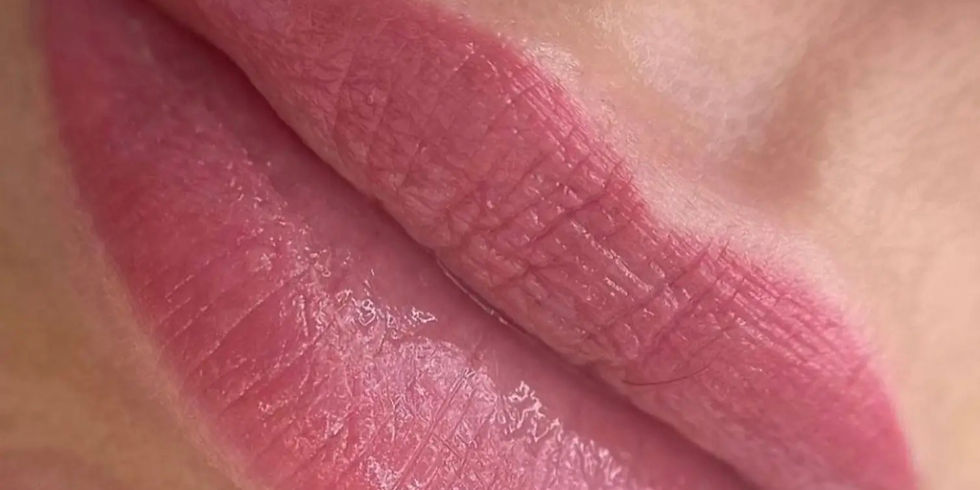
Yes , UV exposure is one of the main causes of premature permanent makeup fading and can significantly reduce how long your results last. Sunlight breaks down pigment particles in the skin over time, which can lead to faster fading and changes in colour tone. In some cases, PMU may also shift slightly in colour, appearing warmer or cooler than originally healed.
The main effects of sun exposure on permanent makeup include:
Breakdown of pigment in the skin, leading to faster fading
Colour changes over time, sometimes resulting in warmer or ashy tones
Reduced overall longevity of results, meaning more frequent top-ups may be needed
Wearing a high-factor SPF on treated areas is one of the simplest and most effective ways to protect your permanent makeup and maintain long-lasting, even results.
Do Skincare Products Affect Permanent Makeup?
Yes, skincare products play a much bigger role in permanent makeup longevity than most people realise, and certain active ingredients can significantly speed up fading. Products that increase skin cell turnover or exfoliation can cause PMU pigment to break down faster over time, reducing how long results last and how well the colour is retained in the skin.
The main skincare ingredients that can affect permanent makeup include:
Retinol and retinoids, which accelerate skin renewal
AHAs and BHAs, such as glycolic acid and salicylic acid, which exfoliate the skin
Vitamin A-based products, which increase cell turnover
Strong resurfacing or chemical peel treatments, which actively remove surface skin layers
If you are investing in permanent makeup, it’s important to consider your skincare routine alongside your treatment, as active products can directly impact healing, colour retention, and long term results.
Why Does PMU Sometimes Change Colour as It Fades?
This is a common concern with permanent makeup and is a normal part of the fading process as pigment naturally breaks down in the skin over time. As PMU fades, underlying pigment tones can become more visible, which may slightly change how the colour appears.
For example:
Brows may soften and appear slightly cooler, sometimes fading to grey or ashy tones
Warmer pigments may shift over time, occasionally appearing more orange or red as they lighten
Overall definition may reduce, as pigment disperses and becomes more transparent in the skin
In most cases, these changes are part of natural fading rather than a sign of poor treatment. However, factors such as pigment selection, skin type, depth of implantation, and aftercare can all influence how noticeable colour shifts are over time.
How Can I Make My Permanent Makeup Last Longer?
There are several simple but effective ways to extend the life of your permanent makeup and maintain better colour retention over time. Because PMU sits within the upper layers of the skin, lifestyle and skincare habits can directly influence how quickly it fades and how well it heals.
Key ways to help your permanent makeup last longer include:
Wearing SPF daily on treated areas to protect against UV damage and premature fading
Avoiding over-exfoliation, especially products containing acids or retinoids that increase skin turnover
Following correct aftercare instructions after treatment to support proper healing and pigment retention
Keeping the skin healthy and well-hydrated, which helps maintain better overall skin condition and results
Attending regular top-up appointments to refresh colour, shape, and definition over time
Small, consistent habits make a significant difference in how long permanent makeup lasts and how well it ages in the skin.

When Should I Get a PMU Top-Up?
Most clients benefit from a PMU top-up before the pigment has fully faded, as this helps maintain a fresh, even and well-defined result over time.
The timing of maintenance treatments can vary depending on skin type, lifestyle, and how the pigment has healed, but general guidance is:
PMU brows: every 6–24 months
PMU lips: every 6–24 months
PMU eyeliner: every 12–24 months
Regular top-ups are an important part of maintaining long-lasting permanent makeup results, as they help to refresh colour, rebuild definition, and correct any uneven fading that naturally occurs over time.
Top-up appointments also help:
Refresh colour intensity for a more defined finish
Maintain shape and symmetry as pigment softens
Prevent uneven fading, keeping results balanced and natural-looking
At Olivia Cole Aesthetics in Woburn and Woburn Sands, supporting clients across Bedfordshire, Buckinghamshire and Milton Keynes, we tailor PMU top-up schedules to each individual rather than using a fixed timeline, ensuring results stay natural and suited to your skin over time.
Can Permanent Makeup Fade Completely?
Yes, over time, permanent makeup can fade significantly, and in some cases may fade to the point where it becomes very soft or barely visible. However, results vary from person to person depending on skin type, lifestyle, and how the treatment has been maintained.
In many cases:
Some residual pigment may remain in the skin, even after significant fading
Fading can be uneven without regular maintenance or top-ups, leading to patchy or softened areas
Older or deeper-implanted work may linger longer, even when most of the colour has faded
This is why ongoing maintenance is recommended for clients who want to maintain a consistent colour, shape, and definition over time. Regular top-ups help keep the results balanced, fresh, and in line with your desired look.
Final Thoughts
High quality permanent makeup should soften gradually, fade evenly, and enhance your natural features rather than becoming harsh, patchy or unnatural. When performed correctly with proper aftercare, PMU should always age in a soft and controlled way.
When choosing a clinic, it is important to look for:
Experienced permanent makeup practitioners with proven healed results
High quality pigments designed for soft, even fading
Natural, tailored results suited to your skin type and facial structure
Clear aftercare advice to support healing and longevity
A strong portfolio showing healed results, not just fresh work
Permanent makeup is not designed to stay unchanged forever and this is actually a positive part of the treatment process. Yes, PMU will fade over time, and in some cases may fade significantly, but this allows the results to remain soft, natural and adaptable as your face changes.
Fading ensures that your permanent makeup can be refreshed, adjusted or perfected over time, avoiding harsh or outdated results. Some pigment may remain in the skin, fading can vary depending on skin type and lifestyle, and older or deeper work may linger longer, which is why maintenance is often recommended to keep results consistent.
At Olivia Cole Aesthetics in Woburn and Woburn Sands, supporting clients across Bedfordshire, Buckinghamshire and Milton Keynes, we focus on creating permanent makeup that heals naturally, fades evenly, and can be safely maintained over time for long-lasting results.
To find out more about permanent makeup (PMU), take a look at our previous blogs where we share expert insights, treatment information. Visit our blog here to learn more: https://www.oliviacoleuk.com/blog

Is permanent makeup the same as a tattoo?
No, permanent makeup is not the same as a traditional tattoo. PMU is implanted more superficially into the skin, which is why it fades over time and heals softer and more natural compared to body tattoos.
How long does PMU typically last on average?
On average, permanent makeup lasts between 1–3 years, depending on skin type, lifestyle, pigment choice, and aftercare. Some clients may see fading sooner, especially in more mobile or oily areas.
Why does permanent makeup look different after a few weeks?
After healing, PMU often looks softer and lighter because the skin has healed over the pigment and some colour naturally sheds during the healing process. This is a normal part of final results settling.
How soon can you get a PMU top-up after your first appointment?
Most top-ups are done 4–6 weeks after the initial treatment, once the skin has fully healed and pigment has settled.
How can I make my permanent makeup last longer?
You can extend the life of your PMU by protecting the skin and following good aftercare habits. This includes using SPF daily, avoiding excessive exfoliation, keeping skin hydrated, and attending recommended top-up appointments. Lifestyle factors such as sun exposure and skincare routines also play a big role in longevity.


Comments